
What to Eat for Marathon Training: A Phase-by-Phase Fueling Guide

You're following a solid training plan. You're logging the miles, showing up for the workouts, and doing everything your schedule says to do. But somewhere around week 10 or 12, something shifts.
Your legs feel heavy all the time. Recovery between runs takes longer than it used to. You're snapping at your partner over nothing, sleeping poorly, and dreading runs that used to feel exciting.
If this sounds familiar, I want you to know something: it's probably not a training issue. It's a fueling issue.
Most runners approach marathon training as if their nutrition needs stay the same from week one through race day. They eat roughly the same amount in base building as they do in peak weeks, then panic and cut back during taper because they're "not running as much."
This approach is one of the most common reasons runners underperform, get injured, or arrive at the start line feeling flat.
Marathon training isn't one long, uniform block. It's a series of phases, and your body's needs shift dramatically as you move through each one. Understanding what to eat during each phase is what separates runners who crush their goal race from runners who spend four months exhausted and confused.
In this blog post, I'm breaking down exactly what to eat for marathon training across all three phases: the base building phase, peak weeks, and the taper. You'll learn how your nutrition needs shift in each phase, the most common mistakes runners make, and how to set yourself up for a strong race day.
If you want a structured plan to follow each month, plus expert guidance to help you fuel each phase of your training, you'll find all of that inside my membership, The RunWell Collective.
Why Fueling by Phase Matters
Here's the truth about marathon training nutrition: underfueling is the single biggest issue sabotaging runners during a marathon cycle. And it looks different depending on where you are in your training.
In the base phase, underfueling often gets masked because mileage is still manageable. You might feel "fine" at 25 miles per week, so you don't notice anything is off.
During peak weeks, the gap between what you're eating and what your body actually needs widens dramatically, and that's when the symptoms of marathon training fatigue start showing up.
During taper, most runners instinctively cut their food intake because they're running less, not realizing this is the worst possible time to reduce fuel.
A good marathon training diet isn't static. It's responsive. It shifts with your mileage, your intensity, and your recovery demands. When you learn to match your fueling to your phase, everything gets easier: your runs feel better, recovery happens faster, and you actually arrive at race day feeling strong.
If you want a deeper dive into the specifics of marathon-day nutrition, check out The Complete Guide to Fueling for a Marathon. This post focuses on the training cycle, that one focuses on race execution.

The Foundation: Macronutrients for Every Phase
Before breaking down what changes in each phase, let's cover the macronutrients you'll be working with the entire cycle. These are your building blocks, and the ratios shift as your training shifts.
Carbohydrates. Carbs are your primary fuel source for running. They're not optional, they're not the enemy, and they're not something to "earn." Your muscles rely on glycogen (stored carbs) for every run longer than about 20 minutes, and your brain uses glucose as its main energy source too. Throughout marathon training, carbs should make up the largest portion of your plate at nearly every meal.
For a general baseline during marathon training, most runners need somewhere between 5 to 10 grams of carbs per kilogram of body weight per day, with the higher end reserved for peak weeks. If you're wondering how many carbs for marathon training is right for you specifically, that number depends on your body weight, training volume, and intensity.
Protein for marathon runners. Protein is what repairs the muscle damage you create on every run. As a marathoner, you need more than the general population, typically 1.4 to 2.0 grams per kilogram of body weight per day, spread across your meals and snacks. Spacing matters: your body can only use so much protein at once, so aim for 20 to 30 grams at each meal rather than loading it all into dinner.
Fats. Fats often get overlooked in performance nutrition conversations, but they matter. They support hormone production (including the ones that keep your cycle regular and your bones healthy), help you feel satisfied, and become a more significant fuel source during longer, slower efforts. Include sources like avocado, nuts, seeds, olive oil, and fatty fish consistently.
For a broader overview of runner nutrition fundamentals, my post What Should Runners Eat? The Complete Guide from a Running Dietitian & Run Coach covers the basics in more depth.
Now let's talk about how these macros shift across your training cycle.
Phase 1: The Base Building Phase
What's Happening in Your Body
The base building phase is the first several weeks of your training cycle, typically weeks 1 through 6 or 8, depending on your plan length. Mileage is gradually increasing, you're establishing consistent training habits, and your body is building the aerobic foundation that everything else gets stacked on top of.
This phase feels deceptively manageable. The runs aren't that long yet. The workouts aren't brutal. It's easy to think you don't need to put much thought into nutrition because "it's just base miles."
This is the exact moment where most fueling mistakes get made.
What to Eat During the Base Phase
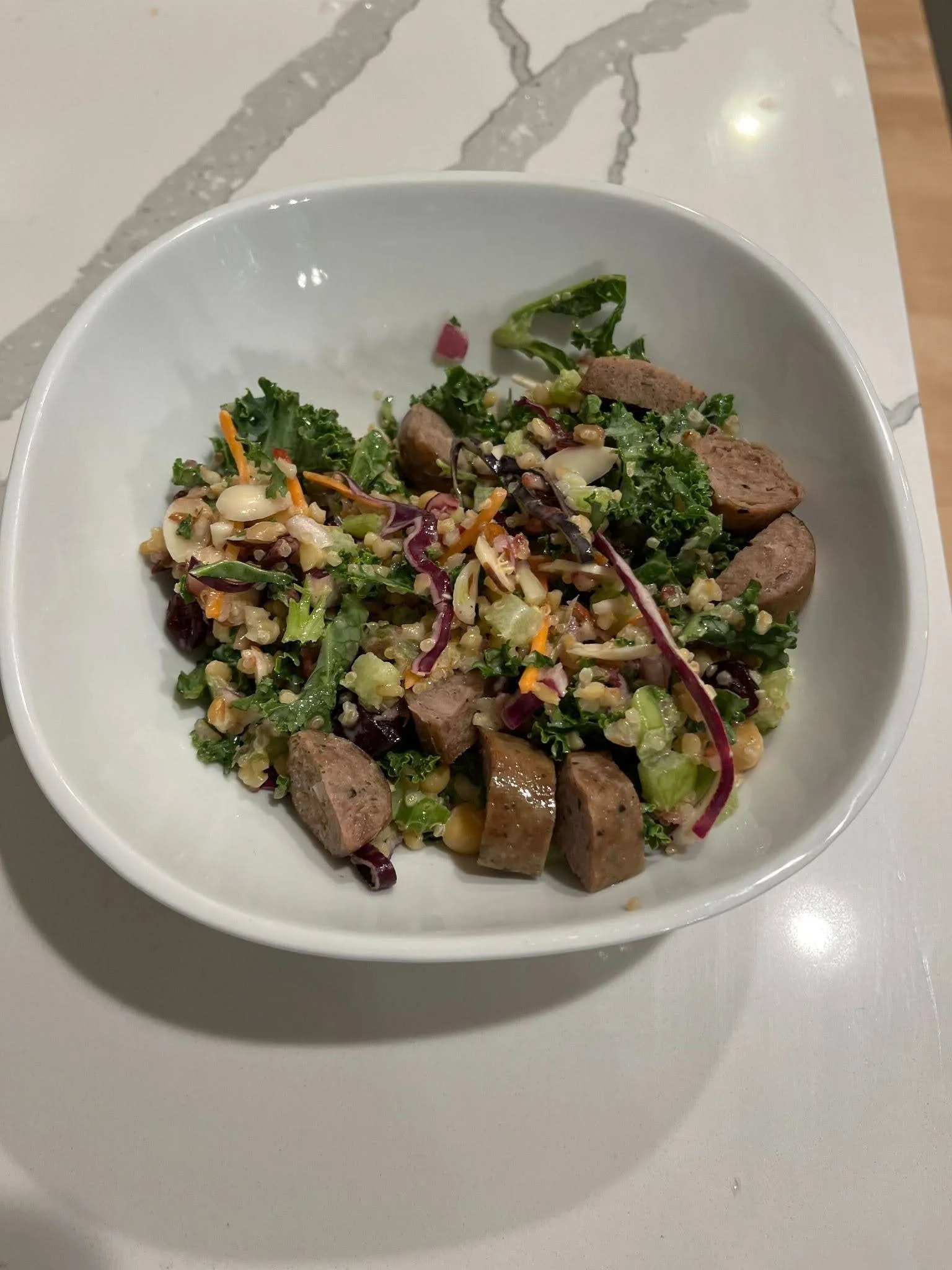
The base phase is about building habits, not just mileage. The way you fuel now sets the stage for how well you handle peak weeks later.
A few priorities for this phase:
Eat consistently throughout the day. Three balanced meals and one to two snacks, spaced every three to four hours. Skipping meals or going long stretches without eating teaches your body to run on fumes, which catches up with you later.
Include carbs at every meal. Not just on hard training days. Oatmeal at breakfast, a sandwich or grain bowl at lunch, rice or pasta with dinner. Your body builds glycogen stores day by day, not just on the days you run long.
Start practicing pre-run and long-run fueling now. Your gut needs training just like your legs do. If you wait until your long runs are 14 miles to start using gels or chews, your stomach will rebel. Use the base phase to test products, timing, and amounts so you know exactly what works by the time your long runs get serious.
Don't skip post-run recovery meals just because the run was "short." A six-mile run still creates muscle damage and depletes glycogen. A balanced meal or snack within an hour or two helps you show up strong for tomorrow's run.
Common Mistakes in the Base Phase
A few things I see runners do in the base phase that backfire later:
Treating early training like a weight-loss opportunity. Cutting calories when you're building mileage is a fast track to burnout and injury.
Saving "real fueling" for peak weeks, as if carbs only count when mileage is high.
Running fasted in the morning without any fuel, which teaches the body to rely on cortisol for energy rather than food.
Ignoring hunger cues because you "already ate."
Phase 2: Peak Weeks
What's Happening in Your Body
Peak weeks are typically the middle-to-late portion of your training cycle, often weeks 8 through 14, where mileage is at its highest, long runs stretch to 18 to 22 miles, and workouts are the most demanding. Your body is doing a massive amount of work: repairing muscle, replenishing glycogen, managing inflammation, and trying to adapt to a bigger training load than it's experienced before.
This is where the wheels start coming off for runners who aren't fueling enough. Marathon training fatigue is a real, physiological response to not giving your body what it needs to recover between sessions. It's not a motivation problem. It's an energy problem.
What to Eat During Peak Weeks
The core principle of peak weeks is simple: you need more food, not less.
Every meal, every snack, every long-run fueling strategy matters:
Increase your overall intake. This isn't the time to count calories or try to maintain a pre-training eating pattern. Your body is burning significantly more energy, and it needs that energy replaced. If you find yourself hungrier than usual during peak weeks, that's your body doing exactly what it's supposed to do.
Long-run fueling becomes non-negotiable. On any run over 75 minutes, you need a minimum of 30 to 60 grams of carbs per hour, working up to tolerating ~90 grams per hour. This usually looks like a gel or chews every 25 to 30 minutes, combined with electrolytes and fluids. If you've been practicing since the base phase, your gut will be ready for this.
Hit your recovery window. Within 30 to 60 minutes of finishing a long run or hard workout, aim for a meal or snack that includes both carbs and protein in roughly a 3-to-1 ratio. Think a smoothie with protein powder, a yogurt parfait, or a full meal if it fits your timing. This is when your body is primed to replenish glycogen and start rebuilding muscle.
Scale hydration and electrolytes with your training. Longer runs and higher mileage mean more sweat loss, and water alone won't cut it. Sodium in particular matters for maintaining blood volume and preventing that depleted, bonked-out feeling on long runs.
Signs You're Underfueling in Peak Weeks
If any of these sound familiar, your fueling is probably the issue:
Persistent fatigue that doesn't improve with an easy day
Runs that should feel manageable suddenly feel impossibly hard
Recovery taking three or four days when it used to take one
Trouble sleeping, especially waking up at night
Nagging injuries that won't resolve
Mood swings, irritability, or brain fog
A missing or irregular menstrual cycle
Unusual hunger followed by evening binges
These aren't signs you need to push harder or be more disciplined. They're signs your body is asking for more fuel.
Phase 3: The Taper
What's Happening in Your Body
The taper is typically the final two to three weeks before your race. Mileage drops significantly, workouts get shorter, and your body shifts from "building and adapting" mode into "repairing and storing" mode. Muscles are healing from the accumulated damage of peak weeks. Glycogen stores are topping off. Your cardiovascular system is getting fully rested. This is where you bank the fitness you've built.
And this is where most runners panic.
The instinct to cut food during taper is almost universal and almost always wrong. Runners see the reduced mileage on their plan and think, "I'm not running as much, so I don't need to eat as much." But the taper isn't a rest period where your body stops needing nutrients. It's a rebuilding period where nutrients matter more than ever.
What to Eat During the Taper
Marathon taper nutrition is about consistency, not restriction:
Keep eating normally. Your caloric needs do drop slightly as mileage decreases, but not nearly as much as most runners assume. Maintain your meals and snacks. Don't start skipping breakfast or cutting portions.
Keep carbs high. This is when your body is topping off glycogen stores in your muscles and liver, which is exactly what you need for race day. Cutting carbs during taper undoes the work your training just did.
Don't change anything drastically. Taper is not the time to try new foods, new supplements, or new eating patterns. Stick with what's been working all cycle.
Trust that you've done the work. A lot of the taper anxiety around food comes from feeling like you need to "earn" your meals by running. You've already earned them... For weeks. The work is done.
Race Week and Carb Loading
The final 3 days before your marathon is where carb loading comes in. Carb loading is a strategic increase in carbohydrate intake designed to maximize your glycogen stores heading into race day, and when done correctly, it can meaningfully improve your performance in the later miles.
The general target is 8 to 12 grams of carbs per kilogram of body weight per day for the three days before your race. For most runners, this means a noticeable bump in carb intake from normal. Focus on easy-to-digest options: white rice, pasta, bread, bagels, pancakes, juice, pretzels, and sports drinks.
What carb loading is NOT: stuffing yourself at one giant pasta dinner the night before the race. That approach usually leads to a bloated, uncomfortable race morning and doesn't actually increase glycogen the way a full three-day approach does.

If you want to learn more about carb loading, download my Free Guide: How to Carb Load for Your Next Marathon PR.
Common Mistakes Runners Make Across All Phases
Pulling the biggest patterns together, these are the fueling mistakes I see derail marathon training cycles more than anything else:
Treating marathon training as an opportunity to lose weight
Skipping pre-run fuel, especially for morning runs
Underestimating how many carbs are needed during long runs
Cutting food during the taper because mileage is lower
Waiting until race week to think seriously about fueling
Trying new foods, gels, or strategies late in the cycle
Ignoring recovery nutrition after shorter or easier runs
When these fixes go into place, runners I work with consistently report the same things: steadier energy, faster recovery, workouts that feel the way they're supposed to feel, and race performances that reflect the training they've put in.
Want Help Fueling Your Marathon Training?
If this guide has you realizing your fueling strategy needs some work, you're not alone. Most runners show up to marathon start lines having never put a real plan together, and a strong training plan can only take you so far without the nutrition to back it up.
That's exactly why I created The RunWell Collective, a monthly membership designed to give runners the structure, support, and expert guidance they need to train smarter and fuel better through every phase of their cycle.
Inside the membership, you'll get:
Training plans for 5K, 10K, half marathon, and marathon distances, with both Novice and Intermediate options so you can train at your level
The complete Fuel to Run course to teach you exactly how to fuel before, during, and after your runs (and on rest days too)
Sample meal plans and grocery lists so you're never wondering what to eat
Live monthly Q&A calls where you can get your specific fueling and training questions answered
A private community of runners who get what you're working toward, plus chat access to me Monday through Friday
The RunWell Collective is the perfect fit if you want training and nutrition support in one place, without the higher commitment of 1:1 coaching. Whether you're chasing your first marathon or your fastest, you'll have everything you need to fuel each phase of your training with confidence.
Ready to stop guessing and start fueling like a marathoner who knows what she's doing? Join The RunWell Collective here.